
-

A story about the main reasons I now think the universe expands because collapsed matter must continue as an expanding cosmology, the expansion is the collapse read from the other side, and the rate is fixed by the cosmological constant alone.
-

The Universe: from an antimatter black hole
A friend’s question about an Eddington–Finkelstein diagram sent me looking for a better explanation, and I found a cycloid. Eighteen papers later, here is what came of it: horizons that are not places, a universe with a real now, three generations that are counted rather than chosen, and black holes that become universes. None of…
-
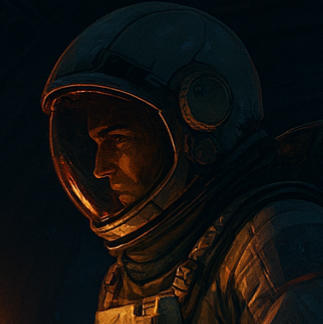
A geometric proof that black holes remain finite in size/density, and the event horizon occurs as the next moment after the universe.
-

When a star collapses to a black hole, from the outside it never quite gets there. Everything that ever falls in reaches the horizon together, at the end of time. What follows isn’t destruction — it’s a new universe, expanding at exactly the rate we observe in our own.
-
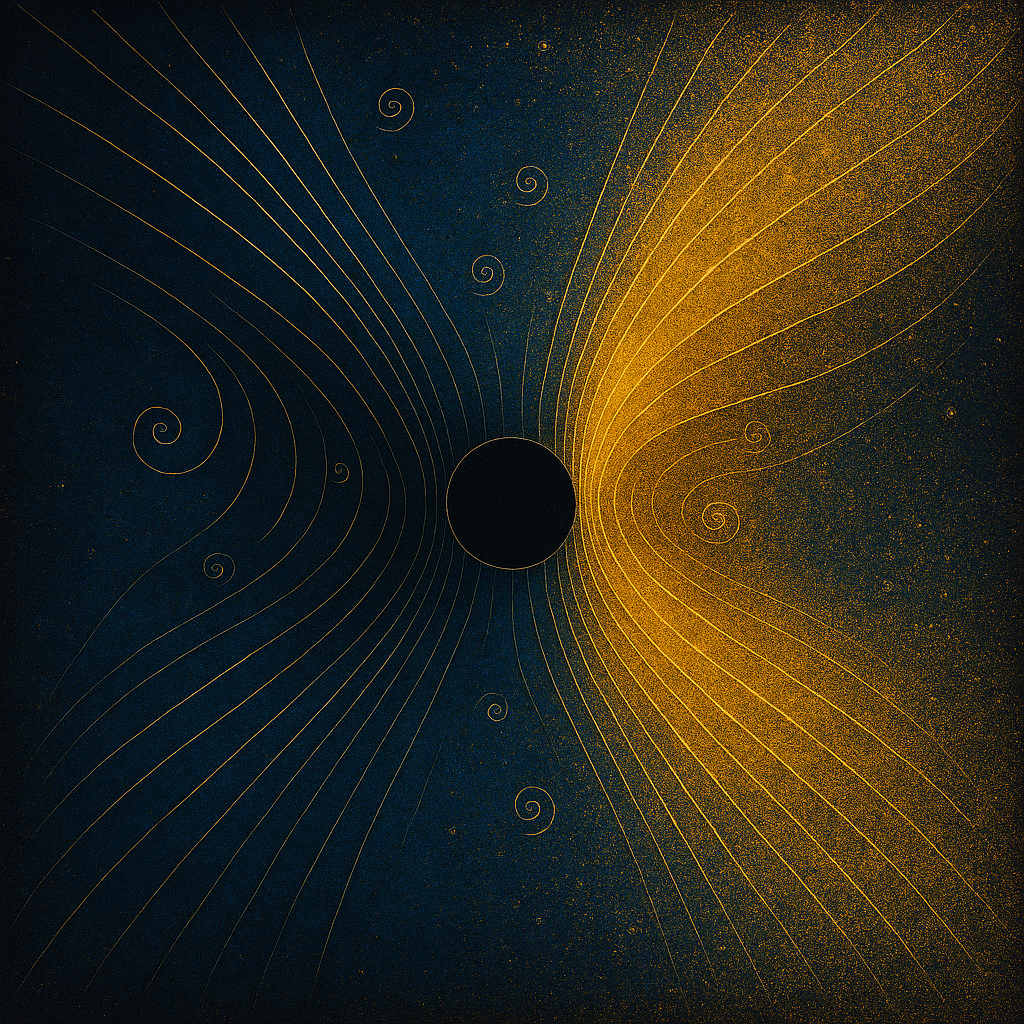
Two short papers prove that black hole horizons never form within the external universe — they occur only at its infinite-time boundary. Following this result to its geometric conclusion reveals a cosmological model that reproduces the observed expansion of the universe exactly, using nothing beyond Einstein’s own equations.
-
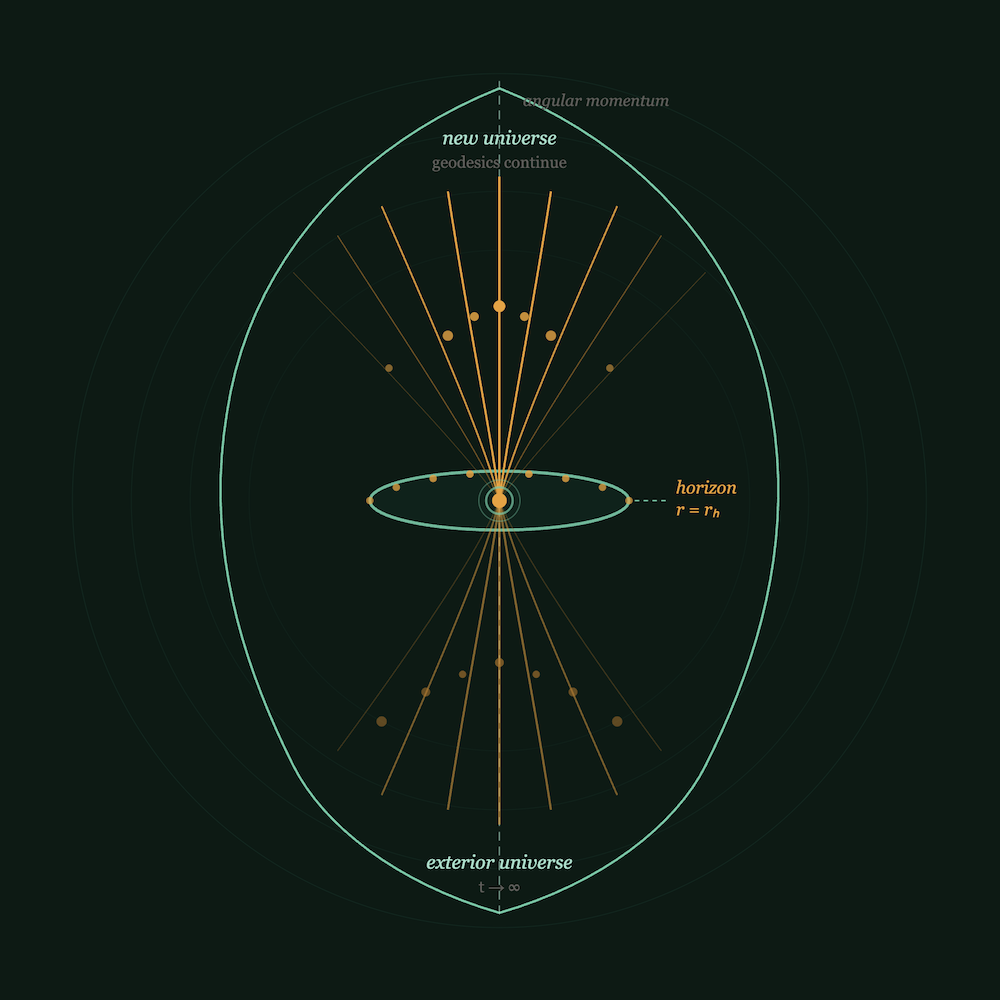
Last night I was having a think with Claude. By the end of it, the AI had read my mathematical proofs, read a paper I published thirteen years ago, and told me the two were the same argument — that I’d spent sixteen years building toward a theorem I only finished this week. This is…
-
When experts declare that time does not really pass and that reality is a static four-dimensional block, they are not merely offering opinions — they are shaping how millions understand the world. If those claims rest on correctable conceptual mistakes, is ignoring the challenge ethical, or is it a failure of intellectual duty?
-

What if black holes aren’t really what we think they are? And what if the bigger problem isn’t the physics at all, but how modern science decides which ideas are allowed to be discussed in public?
-

General relativity never required black holes to already exist — and it never permitted the causal inferences we have built upon that assumption. This essay explains how a single unexamined ontological leap reshaped black-hole physics, and why many of its most famous consequences collapse once that error is removed.
-
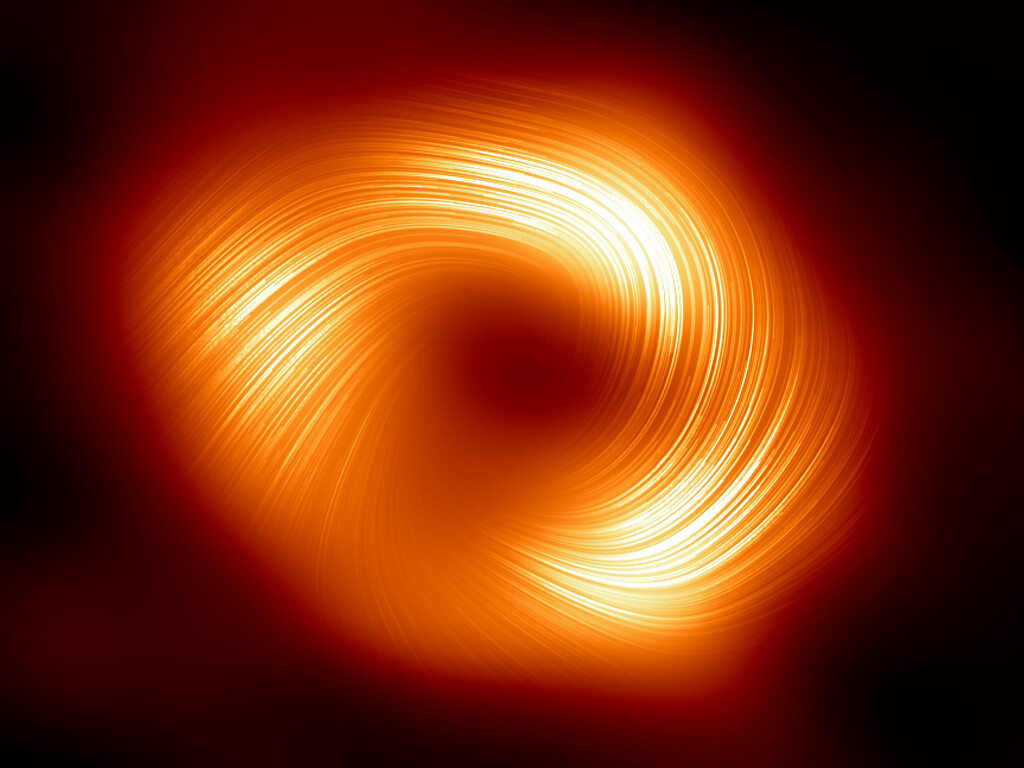
What if black holes never actually form?
For the better part of a century, physicists have treated the inevitable collapse of stars as proof that black holes already exist. But inevitability is not actuality—and confusing the two has produced the deepest paradoxes in modern physics.