
Having explored the nature of light, how it is gathered by telescopes, and where the best locations are for telescopes designed to focus light with various wavelengths, at last we’ll look at the various techniques astronomers have come up with to make the most of the signals that telescopes produce.
The primary concern is to create an accurate record of the light that comes through a telescope. Four hundred years ago, the only method available to Galileo was to draw what he saw as accurately as possible. Then, once photography was developed astronomers used photographic plates which could detect even fainter objects by exposing for longer durations. But in terms of measuring how bright one object is relative to another, astronomy only became truly quantitative with the invention of charge-coupled devices (CCDs).
CCD cameras
CCD cameras use the photoelectric effect (the thing Einstein won his Nobel Prize for, which we discussed at the start of this module) to produce a digital record of detected light. The CCD chip itself is arranged as an array, and every time a photon liberates an electron from an atom in the chip the electron’s original location in the array is recorded. Thus, CCD cameras count individual photons and create digital maps of the numbers of photons that hit array elements.
Colour images are produced by placing various filters (think “coloured cellophane”) between the telescope and the CCD chip. By using red, green, and blue filters to create digital maps of the amounts of red, green, and blue light coming from a particular object, then combining the three images, full colour pictures can be produced.
If you take the second-year photometry course at the University of Saskatchewan, you will have the opportunity to do this using telescopes that are located on the roof of the Physics building on campus.
False-colour images
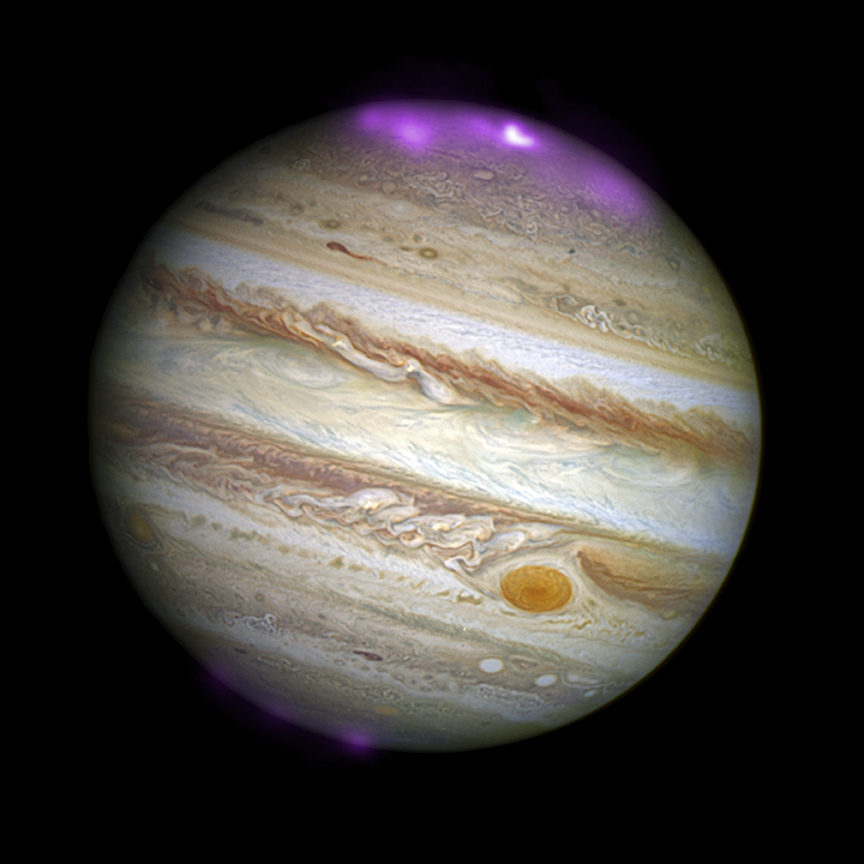
Now is perhaps as good a time as any to discuss false-colour images. Images of invisible light are often produced using false-colour representation. Since X-rays and radio waves, etc., are invisible to our eyes, we don’t know what they look like and therefore can’t produce images that accurately represent what they look like. Such images would appear black to us. It is therefore common practice to use colours from the visual part of the spectrum to falsely colour images produced by telescopes such as Chandra and Arecibo. This way, we can gain a visual sense of what the world looks like in invisible wavelengths (see Figure 4-13).
Spectroscopy
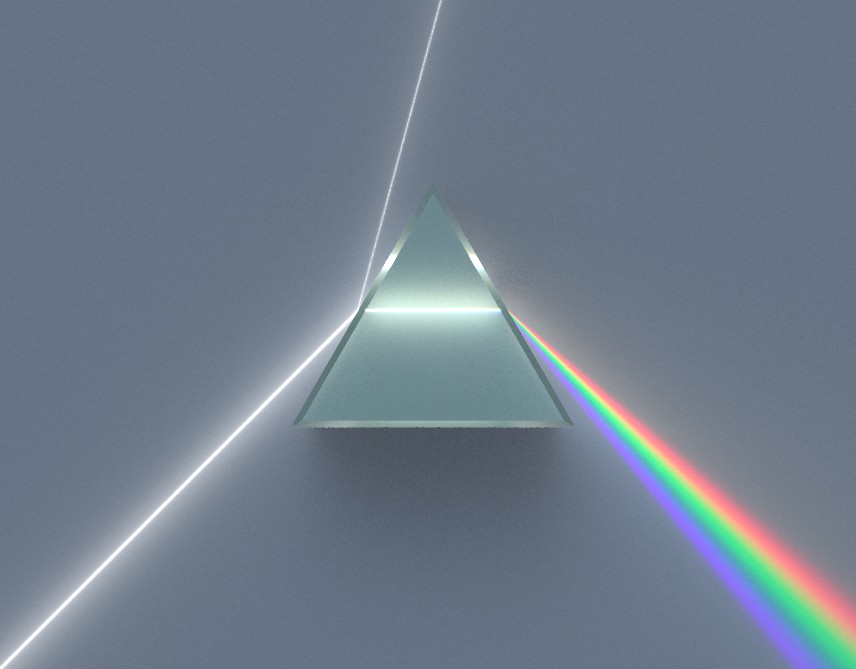
The other second year astronomy course you might take at the U of S is a course in spectroscopy. Spectroscopy is a technique in which light is passed through a spectrograph which works like a prism to disperse the signal into a spectrum (see Figure 4-14). This light is subsequently imaged using a CCD camera to record the intensity over the whole spectrum. As we shall see in Module 5, it is by observing an object’s spectrum that we are able to determine various physical properties such as its chemical composition and relative velocity, due to the influences that those things have on the spectrum.
Interferometry
Finally, consider what you know about resolution: it improves as telescope diameter increases due to the fact that light signals with low angular separation can hit either side of the mirror without the waves interfering with each other en route to the telescope. Evidently, having a telescope dish that actually spans the whole area separating that diameter does not matter when it comes to resolving power.
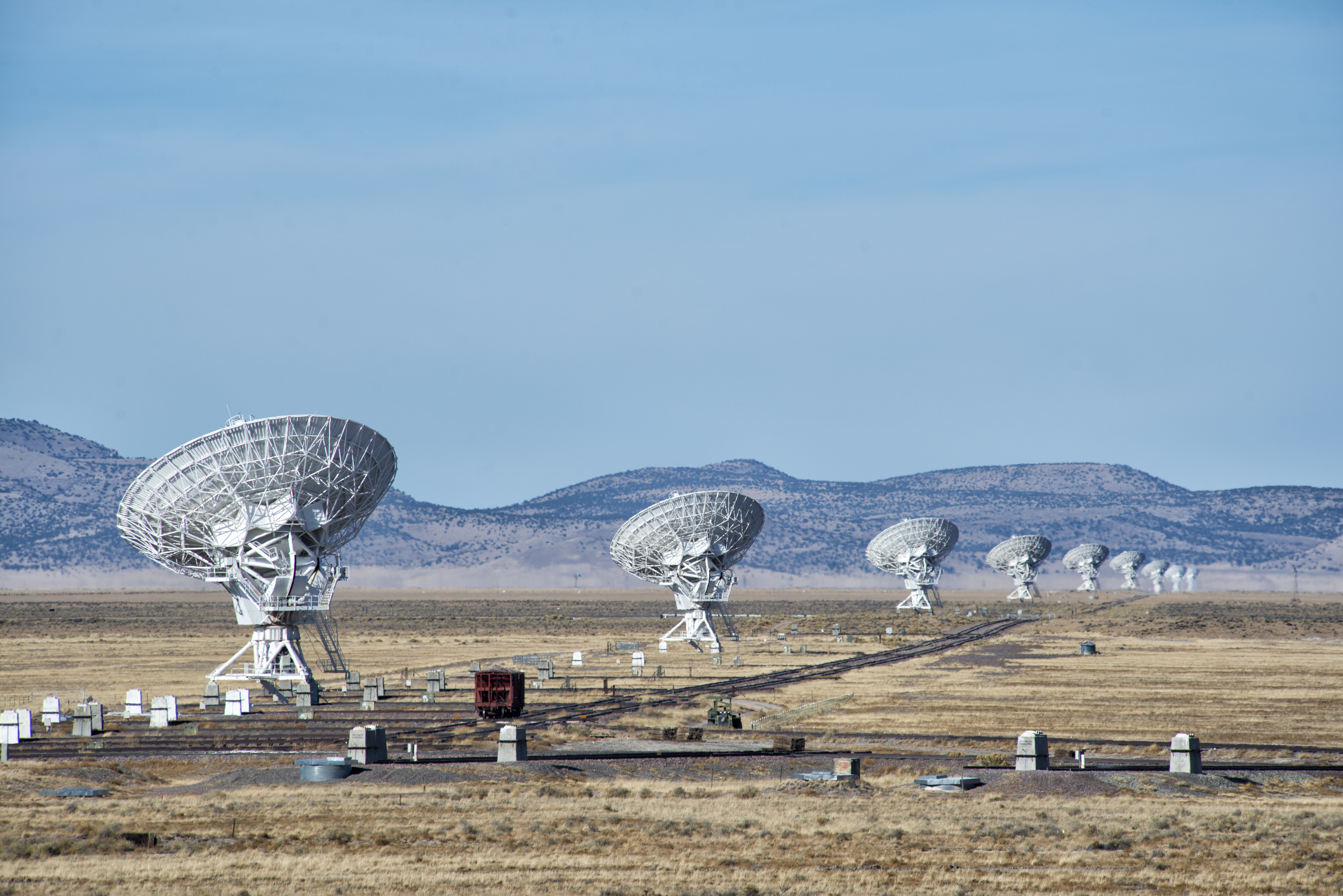
The technique known as interferometry uses the signals from multiple telescopes at distant locations to resolve images more clearly than the individual telescopes are capable of when used on their own. The technique effectively creates a large telescope with many holes in it. The light-gathering power is not affected because most of the area is not gathering light, but resolution can be dramatically improved. The Very Large Array in New Mexico, USA is a famous example of an interferometer which has been shown in a number of movies (see Figure 4-15).
 cosmiCave.org